 A Space for Thoughtful

Gamification in Learning: 7 Powerful Strategies to Implement
Summarize with:
Staying relevant in the ever-evolving education and corporate training landscape involves constantly re-evaluating current learning processes and implementing new strategies to boost learners’ experiences. One such concept gaining popularity is gamification in learning, a process that utilizes game elements to enhance learning. In the United States alone, around 227 million people play games every week, and worldwide, there are around three billion video game players. This widespread popularity makes gamification a powerful tool for enriching education.
Gamification complements traditional teaching methods and e-learning, boosting the overall learning experience in many ways. It transforms mundane tasks into exciting quests, and productivity can soar to new heights. The global market for gamification strategies is projected to reach $58.8 billion by 2028, with education emerging as the top segment.
This article will explore powerful strategies to implement gamification in learning, its benefits, and how it is revolutionizing both educational and corporate training environments.
Table of Contents:
- What is Gamification in Learning?
- Top Strategies to Implement Gamification in Education and Training
- The Difference Between Gamification and Serious Games
- Key Benefits of Gamification in a Business Context
- Game-Based Learning in Corporate Training
- Selecting the Right Gamification Company
- The Future of Learning is Playful
What is Gamification in Learning?
Gamification in learning revolutionizes education by integrating game elements into instructional frameworks. This approach fosters heightened engagement and motivation among students and employees. By leveraging gaming components, this innovative method enriches the learning journey, making it more immersive and enjoyable. Consequently, it helps maximize knowledge retention and academic or professional success.
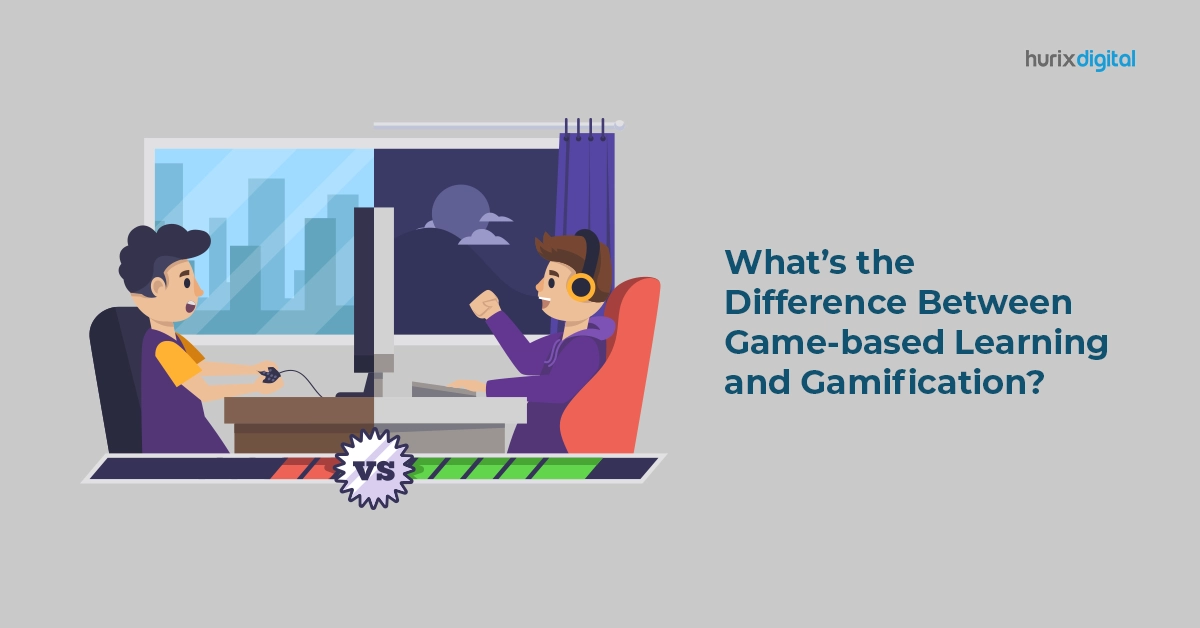
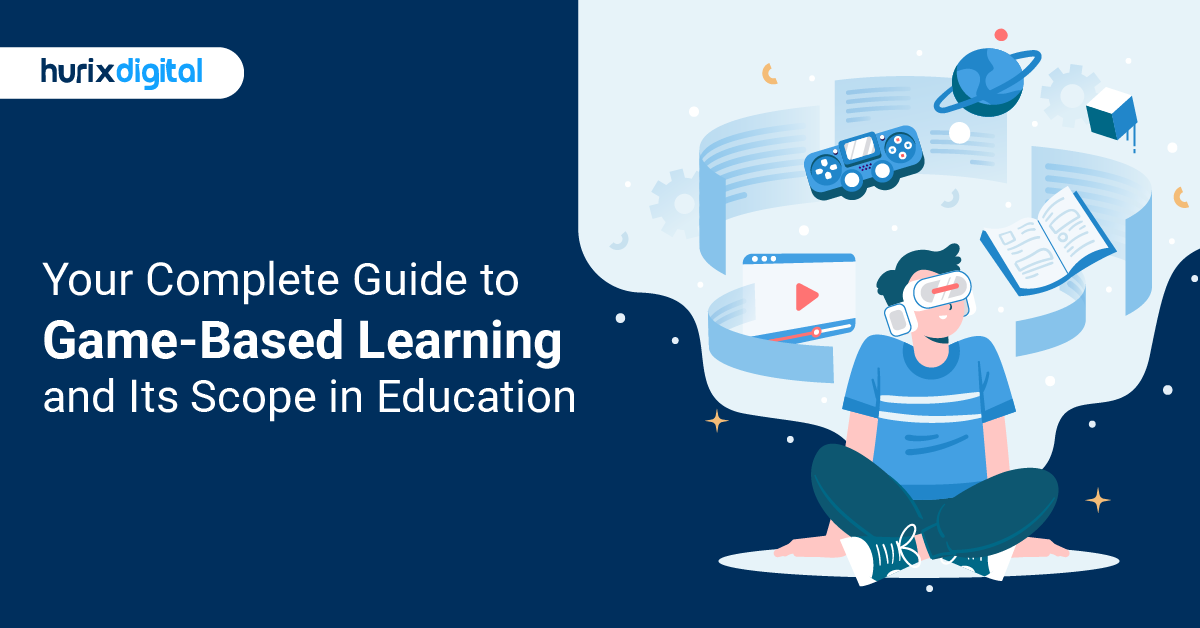
It is important to distinguish gamification from game-based learning. Game-based learning uses a complete game to teach a concept. Gamification applies game-like elements to non-game contexts. Points, badges, leaderboards, and rewards get layered onto existing activities. The primary goal is not entertainment, but to make learning more engaging, motivating, and enjoyable by tapping into natural human instincts for competition, achievement, and social interaction.
Games have numerous elements that make them an impactful means of imparting learning. They are structured to solve problems, boost teamwork, improve communication skills, and encourage healthy competition. Moreover, games also help spawn innovation, imagination, and creativity in the participants. By introducing gamified learning into education and training, organizations can aim for the following benefits:
- Higher learner motivation levels
- Increased knowledge retention
- Better student and employee engagement
- Instant feedback and reinforcement
- A more enjoyable educational experience
Incorporating these elements not only enhances the learning experience but also fosters motivation, engagement, and creativity among learners.
Top Strategies to Implement Gamification in Education and Training
There are numerous ways to incorporate gaming components into learning modules for students and corporate training programs. Effective gamification strategies take gaming elements that are intriguing, motivating, and exciting and merge them with learning programs to enhance their effectiveness. Given below are some great gamification strategies that are known to work wonders.
1. Visually Appealing Designs
Aesthetically pleasing designs and fun colors can make the learning process much more interesting. For instance, including bright, sunny colors in your e-learning portals can add a friendly and warm vibe that is inviting to the senses. Adding ample figures and graphics also makes the content more engaging.
2. Storylines
Creating a compelling storyline is a sure-shot way to capture the attention of learners and keep them engaged. This is a good way to maintain interest in the task at hand, especially for immersive learning modules. To add an extra layer of fun, you can create avatars representing each learner, allowing for personalization and a deeper connection to the learning journey.
3. Challenges
One of the most exciting elements of playing games is overcoming challenges at different stages. This enjoyable component has a significant role to play in gamification. Providing small, progressively difficult challenges at frequent intervals helps learners practice what they have learned and prepares them for bigger hurdles as the course progresses.
4. Competitions
Competitions are a fabulous way to encourage healthy competition among your learners. Gamification allows ample scope to inculcate competitive elements in educational and training programs. Learners can compete against themselves, other team members, or even anonymous players, driving them to perform their best.
5. Point Systems
Just like in actual games, gamification can also use a point system to reward and motivate students in their educational journey. Learners can be assigned points for completing different tasks within a specified time limit, providing a clear measure of progress and achievement.
6. Badges
Who doesn’t love collecting badges while playing games? The same rule applies to gamification in education. Badges are simply awards that acknowledge and reward people for their efforts. Typically in the form of a pinned image on one’s profile, they are a lovely way of showing learners that their hard work is recognized.
7. Leaderboards
Leaderboards are scoreboards used to track performance and foster healthy competition among learners. Students and employees alike become excited to be featured on the leaderboards and work harder to achieve their goals to see their names on top. This visibility motivates learners to progress and do better.
The Difference Between Gamification and Serious Games
While often used interchangeably, gamification and serious games are distinct concepts. As we’ve discussed, gamification applies game-like elements to existing content. In contrast, serious games are fully developed games designed with a primary purpose other than pure entertainment. Their main objective is learning or practicing a skill.
Because they are engaging, entertaining, and immersive, serious games have become popular training tools in defense, healthcare, aeronautics, and other industries. These games involve challenges and rewards to keep employees excited enough to complete the training program. A well-designed serious game uses entertainment components to help learners grasp complex concepts and develop new skills in a simulated, risk-free environment.
Key Benefits of Gamification in a Business Context
Gamification can make any task more engaging by adding elements of competition, reward, and feedback. This approach helps motivate people to work harder and achieve their goals. Here are some of the primary benefits of gamification for a business.
1. Increased Employee Engagement
Gamification turns boring duties into thrilling games. It enhances employee engagement and motivation, which in turn enhances job satisfaction. Businesses can improve the workplace atmosphere by implementing game elements like points, badges, and leaderboards.
2. Improved Learning and Development
Data indicates that 90% of employees experience improved productivity with gamification. By making learning more game-like, employees are more inclined to remember information, resulting in enhanced skill progress and better overall performance.
3. Enhanced Team Collaboration
Gamification promotes teamwork by encouraging employees to work together towards common goals. Team-based challenges and competitions can strengthen team bonds, improve communication, and bring out the collective potential of a group. It reduces the risk of working in silos by fostering interaction and engagement between team members.
4. Positive Behavior Change
The use of gamification can motivate positive actions and deter negative ones. By incentivizing preferred behaviors, businesses can influence employee conduct and foster a productive, positive workplace environment.
5. Immediate Feedback
Gamified learning modules allow learners to receive instant feedback, which helps them judge their performance and identify areas for improvement. This instant feedback loop accelerates the learning process and enhances memory, allowing for course correction in real-time.
6. Enhanced Adaptability
In today’s dynamic business climate, adaptability is crucial. Gamification can be a tool for improving employee adaptability to changes in management, market conditions, or new technologies. The gamified process helps keep employees on track by providing immediate feedback when they lag.
7. Improved Recruitment and Assessment
Gamification can be a helpful tool in the hiring process. It makes screening quicker, allows for testing specific talents, evaluates problem-solving abilities, and measures professional attitude. Additionally, data produced by gamification can be used to objectively assess employee performance, helping managers identify which employees are most effective and which may need more support.
Game-Based Learning in Corporate Training
If the learning process is dull, employees will not be able to gain the skills and knowledge to perform in real-life scenarios. Game-based learning, which uses games to enhance instructional strategy, is an effective solution. It enables learners to experiment, analyze, and progress by trial and error in a safe environment. This method is becoming a cornerstone of enterprise training.
Why Does Online Training Need Gamification?
Since online training often lacks face-to-face interaction, keeping learners motivated can be a challenge. Integrating gamification in learning offers several benefits for online training courses.
- Makes Lessons Interactive: Features like flip cards, quizzes, puzzles, and discussion boards make lessons more fun and participative.
- Tracks Progress and Points: Gamification is a great way to track progress through points, scores, levels, and badges, marking key learning milestones.
- Improves Knowledge Retention: A more engaging training course helps learners retain information better. Competition through leaderboards motivates employees to learn more effectively.
- Encourages Active Learning: Features like quizzes and challenges motivate learners to complete the training and develop a habit of active learning.
- Allows for Easy Performance Assessment: Levels, points, and badges can indicate a learner’s progress and experience, while scores on tests allow trainers to assess performance precisely.
How to Design Effective Gamified Training
To create an effective gamified training program, you need to follow a structured approach.
- Define Your Objectives: Start by conducting a needs analysis to understand what you wish to achieve. This analysis should include both employee skill upgrades and organizational goals.
- Design Relevant Content: Develop content that is relevant to the real world. For example, a story-based game can help employees prepare for actual scenarios they will face in their roles.
- Identify Your Audience: Understand who will engage with your game-based learning. This helps in selecting the right media elements and developing relatable characters to create a more immersive experience.
- Add a Variety of Activities: The online training course can have a range of different interactive activities, such as tests, challenges, mini-games, and competitions between learners. This creates variety and prevents the training from becoming repetitive.
- Incorporate a Reward System: Ensure your training includes rewards to motivate learners and incentivize them to improve their performance and move up to the next level.
- Make it Personalized: Allow learners to have their own online persona, like an avatar, and provide branching options that enable them to choose their learning path.
- Test the Gamified Features: Thoroughly test all game mechanics to ensure features like rewards, points, and levels are functioning correctly and that the content is presented effectively.
Selecting the Right Gamification Company
With many companies offering gamified solutions, selecting the right partner is crucial. Here are key factors to consider:
- Training Needs: Review your company’s specific requirements. Whether it’s process training, compliance, or leadership development, ensure the provider can create appropriate solutions.
- Accessibility Across Devices: Choose a company that can create a solution accessible from various devices and that integrates with your existing Learning Management System (LMS).
- Appropriate Challenges: The game should be balanced—not too easy to be boring, nor too complex to be demotivating. Resettable leaderboards can also add value.
- Incentives: The program should offer incentives that truly motivate your target audience, whether it’s a sales team driven by competition or a development team motivated by skill mastery.
- Multi-Language Support: If you have a global team, ensure the gamified content is available in multiple languages.
- Technical Support: A strong technical support team is imperative to address any glitches and ensure a smooth learning experience, especially for remote employees.
- Budget and Time: Your budget will be a major factor. Some companies charge extra for customization. Also, consider the length of the training program and choose a game that fits your timeline.
- Automated Reports: For large workforces, automated reports are crucial for tracking performance, saving time for project managers, and analyzing results effectively.
The Future of Learning is Playful
Gamification in learning is a powerful strategy for improving how we approach education and professional development. It transforms traditional learning into an engaging, effective, and enjoyable experience. By harnessing our natural desire for competition and achievement, it build an immersive experience that encourages problem-solving, collaboration, and continuous improvement.
For businesses, adopting a game-based learning solution can be a highly cost-effective way for their workforce to build skills, learn to collaborate, and stay motivated. The benefits extend beyond employee engagement to include better knowledge retention, improved performance, and a stronger organizational culture. As technology continues to advance, incorporating gamification into e-learning and corporate training will undoubtedly play a pivotal role in revolutionizing how we learn.
Are you ready to transform your workplace training and empower your employees? Hurix Digital offers a comprehensive suite of online learning solutions to engage your workforce, enhance knowledge retention, and drive impactful results. We can help you design and implement innovative gamification solutions tailored to your specific needs.
Contact us today to begin your journey and unlock the full potential of gamification in your organization.
Summarize with:

Senior Vice President
A Business Development professional with >20 years of experience with strong capability to sell new solutions and develop new markets from scratch. New Market Entry Specialist with experience working in the largest emerging markets. Exceptional experience in conceptualizing, ideating and selling new learning technologies like VR AR, etc. across multiple industry verticals.