 A Space for Thoughtful
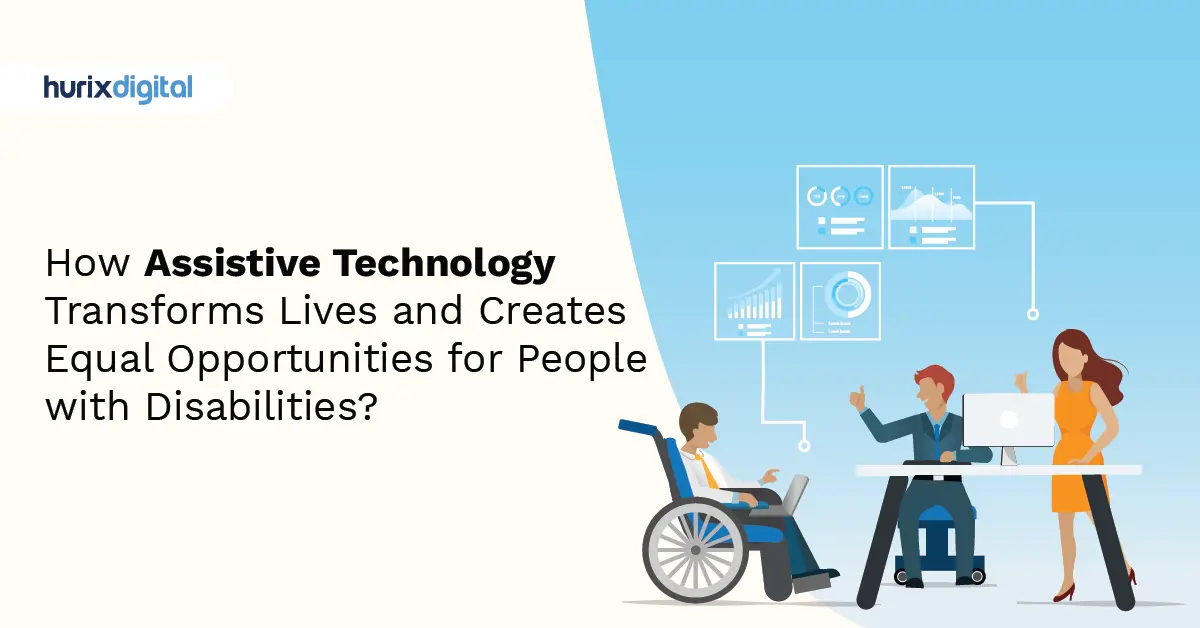
How Assistive Technology Transforms Lives and Creates Equal Opportunities for People with Disabilities?
Summarize with:
It’s easy to take for granted the simple tasks that we perform without a second thought. Walking into a grocery store, reading a menu, or typing a quick email are routine actions for many. But what if those tasks were extremely challenging? That’s the reality for many people living with disabilities today. However, we are witnessing a profound shift. With the impact of assistive technology growing stronger every day, we are empowering lives and turning what once seemed impossible into the possible.
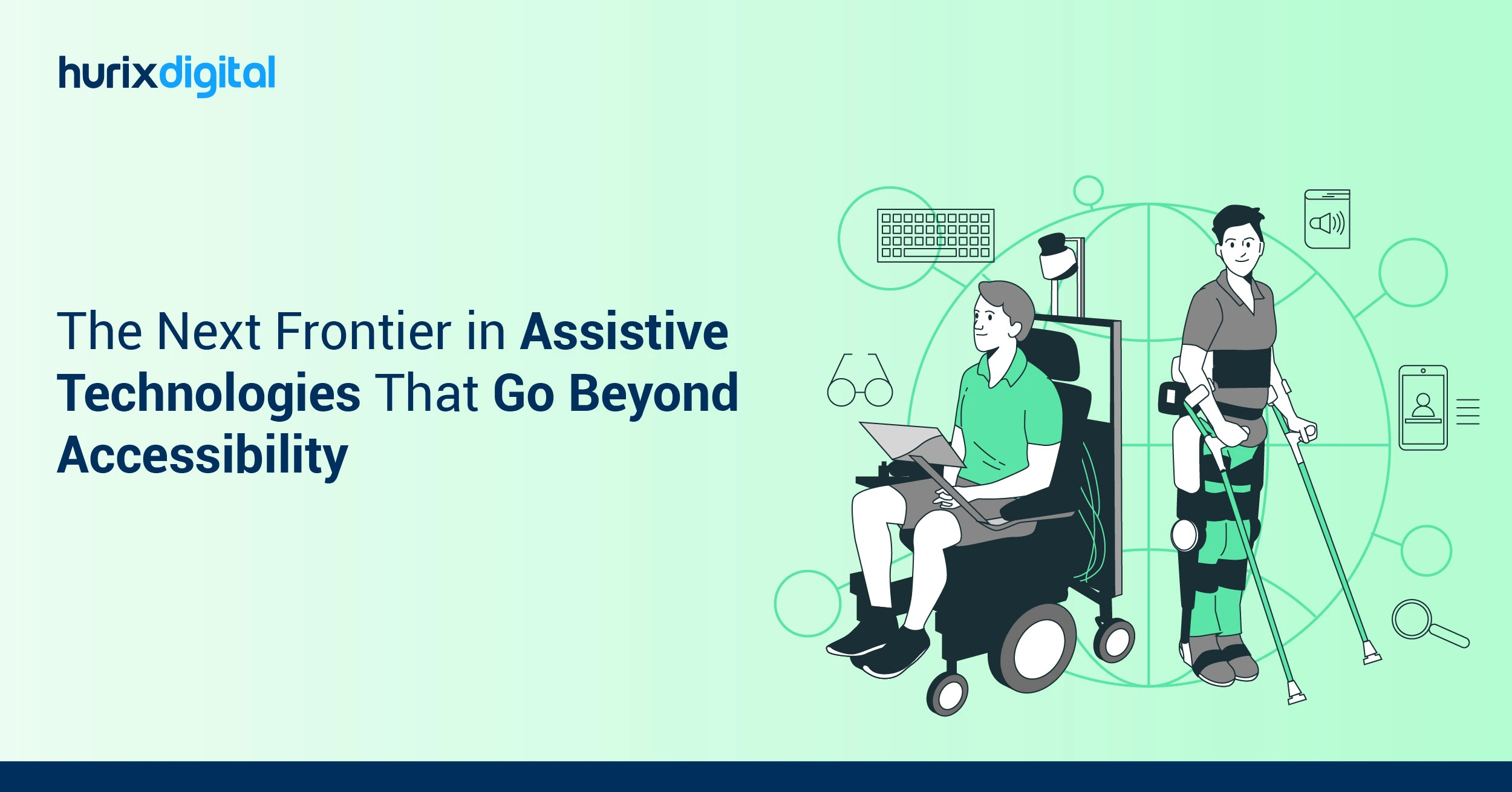
During a recent trip to the market, I noticed a person in a specialized wheelchair navigating a steep ramp with ease, controlling their movement with a simple joystick interface. It strikes you like a bolt of lightning: How many daily challenges do individuals with disabilities face that we overlook? And more importantly, how is technology bridging those gaps?
Assistive technology (AT) describes devices, software, and systems designed to assist people with disabilities in their daily lives. From smart home interfaces to AI-driven communication tools, AT helps people with physical, cognitive, or sensory impairments perform tasks they might not otherwise manage. By enabling independence, effective communication, and easier access to digital and physical environments, assistive technology improves quality of life and enhances overall well-being.
In this comprehensive guide, we will explore the different types of assistive devices, legal frameworks protecting rights, and practical strategies for digital inclusivity.
Table of Contents:
- Why Understanding Disabilities Is Important?
- Defining Disability and Impairment
- Types of Assistive Technology
- How is Assistive Technology useful for Disabled People?
- Legal Frameworks: Promoting Equality and Inclusion
- Improving Digital Accessibility with Tech-Friendly Content
- A Final Word
Why Understanding Disabilities Is Important?
Before we dive into the technology itself, we must understand the “why.” Understanding disabilities is essential before working on accessibility because different disabilities require different solutions.
Imagine a giant jigsaw puzzle where each piece is unique. That’s a bit like understanding disabilities. Just as you wouldn’t use a hammer to fix a computer, different challenges need specific tools. For instance, someone with low vision requires screen magnification or auditory feedback, while someone with motor impairments might need eye-tracking software.
Here is why deep understanding matters:
- No One Left Out: Picture arriving at a party but finding the door too narrow to enter. That’s how it feels for people with disabilities if we don’t understand their needs. Learning about these challenges ensures nobody gets left behind.
- Making Life Easier for Everyone: When we understand what people with disabilities require, we often create solutions that benefit everyone. Ramps are essential for wheelchair users but are also great for parents with strollers or travelers with heavy luggage. This is the “curb-cut effect” in action.
- Spotting New Ideas: Sometimes, we don’t even realize where the problems are hiding. Understanding disabilities helps us see those gaps and innovate.
- Teamwork Matters: Involving people with disabilities in the creation process brings unique insights. Together, we create better, more robust solutions.
Understanding disabilities isn’t just about being kind, it’s about making the world fairer so that everyone gets the same shot at success.
Defining Disability and Impairment
To fully appreciate the impact of assistive technology, we need to clarify what we mean by disability.
What Is Disability?
Think of a disability as a condition that makes certain activities more challenging. It is often due to how a body or mind functions and can be temporary or permanent. Disability refers to any physical, sensory, cognitive, or mental impairment significantly affecting a person’s daily activities.
Crucially, disability isn’t just a medical diagnosis. It is also a social construct. A person using a wheelchair is only “disabled” in a building that lacks ramps. Disabilities are often caused more by social and environmental barriers than by physical factors.
What is the Difference Between Disability and Impairment?
While related, these terms are distinct.
- Impairment is when something isn’t quite right with how our body or mind works (e.g., vision loss).
- Disability occurs when those impairments encounter barriers in the world (e.g., a book that isn’t available in Braille).
If someone with vision loss has access to a screen reader and a properly coded website, the “disability” in that specific context is minimized or eliminated. This is where the impact of assistive technology becomes undeniable.
Various Types of Disabilities
Different technologies address different needs:
- Vision impairments: Blindness, color blindness, or low vision.
- Physical Disabilities: Mobility issues affecting movement, often requiring wheelchairs or prosthetics.
- Hearing impairments: Deafness or hearing loss.
- Speech impairments: Challenges like stuttering or apraxia affecting verbal communication.
- Cognitive and Learning Disabilities: Conditions affecting memory, problem-solving, or information processing (e.g., dyslexia, autism).
Types of Assistive Technology
The impact of assistive technology is best seen through the sheer variety of tools available. These range from low-tech solutions like specialized grips to high-tech AI systems.
1. Mobility Aids
Mobility disability aids help people navigate the physical world independently.
- Examples: Wheelchairs, walkers, canes, prosthetic limbs, and power lift chairs.
- Tech integration: Modern mobility aids often include environmental control systems, allowing users to open doors or operate elevators directly from their chairs.
2. Communication Aids
For those with speech or language impairments, communication aids are a lifeline.
- Examples: Speech-generating devices, text-to-speech software, and Augmentative and Alternative Communication (AAC) devices.
- Impact: These tools allow individuals to express complex thoughts and emotions, facilitating social interaction and professional work.
3. Hearing Aids
These electronic devices amplify sound, bridging the gap for those with hearing loss.
- Examples: Digital hearing aids, cochlear implants, assistive listening devices, and real-time captioning apps.
4. Vision Aids
Technology has revolutionized how people with visual impairments access information.
- Examples: Screen readers (like JAWS or NVDA), Braille displays, voiceover software, and electronic magnifiers.
- Impact: A blind user can now browse the internet, read emails, and navigate cities using GPS-enabled voice guidance.
5. Environmental Control Systems
Smart home technologies allow users to control their surroundings via voice or adaptive switches.
- Examples: Voice-activated assistants (like Alexa or Siri), smart lighting, and automated thermostats. These systems are vital for individuals with limited mobility to live independently.
How is Assistive Technology useful for Disabled People?
The true impact of assistive technology lies in its ability to level the playing field. Here are the core benefits:
- Improving Independence: Through the use of assistive technology, individuals can perform daily tasks-such as cooking, cleaning, and working-without constantly relying on caregivers.
- Enhancing Communication: Communication aids break down isolation. They help people with speech impairments interact effectively, improving social relationships and mental health.
- Increasing Access: Whether it is a ramp for a building or a screen reader for a website, AT unlocks environments that were previously closed off.
- Enhancing Safety: Warning signals, fall detection systems, and emergency alerts tailored to sensory impairments significantly reduce the risk of accidents.
- Improving Quality of Life: Ultimately, these tools allow full participation in recreational, social, and vocational activities, leading to a richer, more fulfilling life.
Legal Frameworks: Promoting Equality and Inclusion
Technology alone isn’t enough; rights must be protected by law. Across the globe, various acts ensure that the impact of assistive technology reaches those who need it.
Key Disability Rights and Acts
With over 16% of the world’s population facing some form of disability, nations have enacted specific laws.
- The Americans with Disabilities Act (ADA): Enacted in 1990, the ADA prohibits discrimination in employment, public accommodations, and telecommunications. It requires “reasonable accommodations,” which often include providing assistive technology in the workplace.
- The Rehabilitation Act of 1973: Section 504 prohibits discrimination in federally funded programs, paving the way for accessibility in education and healthcare.
- The Equality Act 2010 (UK): This act protects individuals from discrimination in the workplace and wider society in the United Kingdom.
- The Assistive Technology Act (ATA): Passed in 1998, this crucial act provides funding to states to support the access and acquisition of assistive technology devices.
- The RPWD Act, 2016 (India): Legislation passed to fulfill obligations to the UN Convention on the Rights of Persons with Disabilities.
How These Acts Drive Inclusion
These legal frameworks work in tandem with technology to promote equality:
- Accessibility in Public Spaces: Laws mandate physical changes (ramps, elevators) and digital changes (accessible websites), ensuring accessibility becomes a standard, not an afterthought.
- Employment Opportunities: Providing specialized keyboards, screen readers, and other tools to qualified individuals is a legal requirement.
- Education: Laws like the Individuals with Disabilities Education Act (IDEA) ensure students receive a free, appropriate public education, often facilitated by specialized tech.
- Communication Accessibility: Public entities must provide auxiliary aids, such as sign language interpreters or captioning, ensuring effective communication for all.
Improving Digital Accessibility with Tech-Friendly Content
As we move deeper into the digital age, the impact of assistive technology is most visible online. However, screen readers and adaptive switches only work if the digital content is designed to be compatible with them.
Making your digital content accessible is not just the right thing to do; it is smart for business. It opens your brand to an underserved market and improves the user experience for everyone.
Understanding Web Content Accessibility Guidelines (WCAG)
The global standard for accessibility is the Web Content Accessibility Guidelines (WCAG). These guidelines ensure content is Perceivable, Operable, Understandable, and Robust (POUR). Adhering to these standards is critical for AT compatibility.
Seven Tips to Optimize Content for Assistive Tech
To truly maximize the impact of assistive technology, content creators must follow these best practices:
- Simplify Your Content: Keep language clear and concise. Avoid complex sentence structures and jargon. Use a logical heading hierarchy (H1, H2, H3) to help screen reader users scan through content easily.
- Optimize Videos and Audio: Always include captions and transcripts. Transcripts allow Braille readers to access audio content, while captions assist the deaf and hard of hearing.
- Descriptive Links: Avoid generic phrases like “click here.” Instead, use descriptive text like “read our guide on accessible design.” This helps screen reader users understand where a link leads without reading the surrounding text.
- Alt Text for Images: Provide descriptive alternative text for all images. This invisible description allows screen readers to convey the visual information to blind users.
- Test With Assistive Tech: Don’t just guess. Use tools like NVDA or VoiceOver to test your site. Navigating your own content with a screen reader is an eye-opening experience.
- Incorporate Accessibility From the Start: Inclusive design is most effective when baked into the process, not added as a retrofit. Consider assistive technology users during the wireframing stage.
- Partner With Accessibility Experts: If your team lacks expertise, collaborate with specialists who can audit your digital assets for WCAG compliance.
A Final Word
Assistive technology is an essential tool for millions, turning challenges into opportunities. By enabling people with disabilities to be more independent, communicate effectively, and access digital and physical environments, AT significantly improves quality of life.
However, technology is only part of the equation. We also need robust legal frameworks like the ADA and a commitment from content creators to build inclusive digital spaces. Disability inclusion starts with awareness but succeeds through action—whether that is designing a wheelchair-friendly building or coding a screen-reader-friendly website.
As we move forward, the impact of assistive technology will only grow. It is our collective responsibility to ensure that technology serves as a bridge connecting people, rather than a barrier separating them.
At Hurix Digital, we are deeply aware of how assistive technology transforms lives. We are committed to ensuring that all our products are accessible and user-friendly for everyone. We believe that technology should be a support system that connects people, not a barrier that separates them.
Get in touch with Hurix Digital to learn how we can help you create digital accessibility solutions that ensure your message reaches every audience, regardless of ability. Let’s build a more inclusive future together.
Summarize with:

Vice President – Content Transformation at HurixDigital, based in Chennai. With nearly 20 years in digital content, he leads large-scale transformation and accessibility initiatives. A frequent presenter (e.g., London Book Fair 2025), Gokulnath drives AI-powered publishing solutions and inclusive content strategies for global clients